Is It Better to Go Whale Watching in the Morning or Afternoon?
Whales do not keep office hours, so the time of day changes your comfort, your light and your photos far more than it changes your odds of a sighting.
 By David Ramirez, San Diego Bay cruise specialist & harbor experience guide
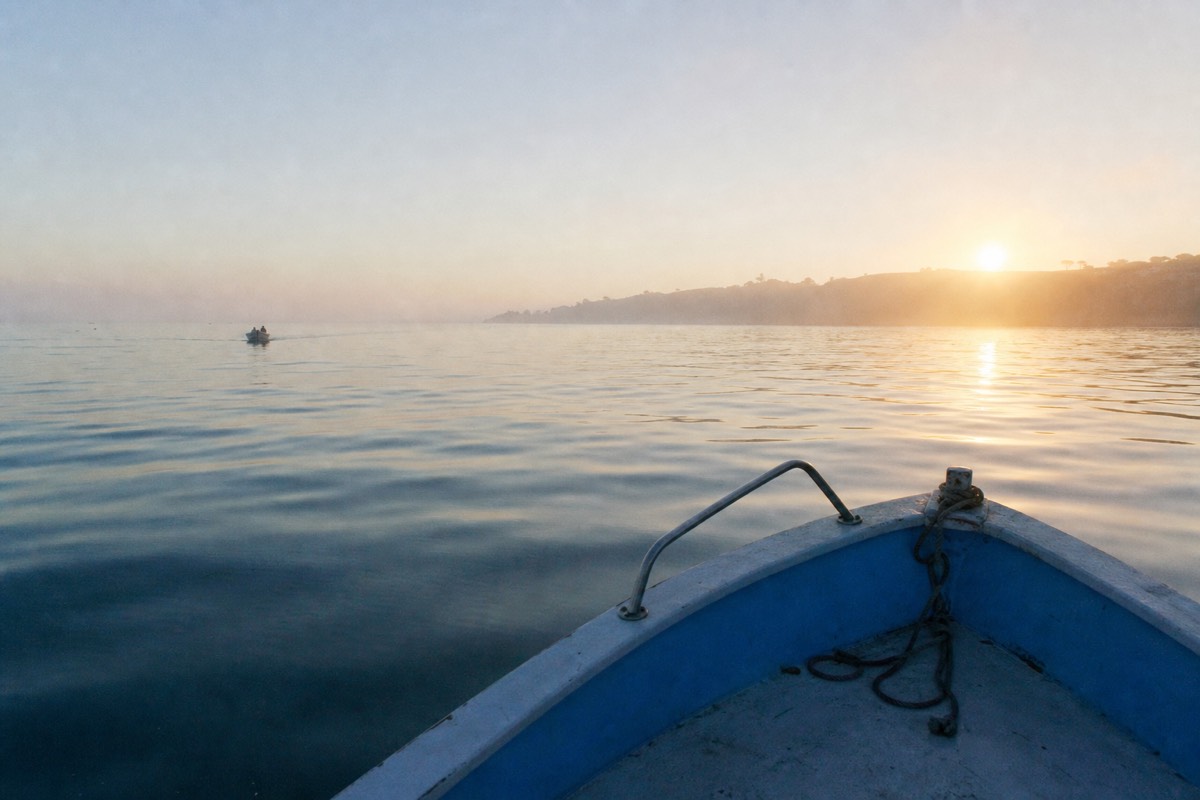
Nobody has ever told me a whale looked at its watch. That sounds flippant, but it answers the question people ask most often before booking off Point Loma. They want a time of day that makes the animals appear, and no such time exists. Gray whales migrate past San Diego on a schedule measured in months, and blue whales follow food. Your departure time changes your experience of the trip, not theirs.
There is still a real decision here, because morning and afternoon sailings differ in ways that matter.
Does the time of day change your chances of seeing a whale?
Not in any way a reputable source will stand behind. Gray whale migration runs from December through April and blue whales feed off this coast from mid-May into September, and those seasonal windows drive your odds. Within a single day, a morning trip and an afternoon trip are looking for the same animals in the same water.
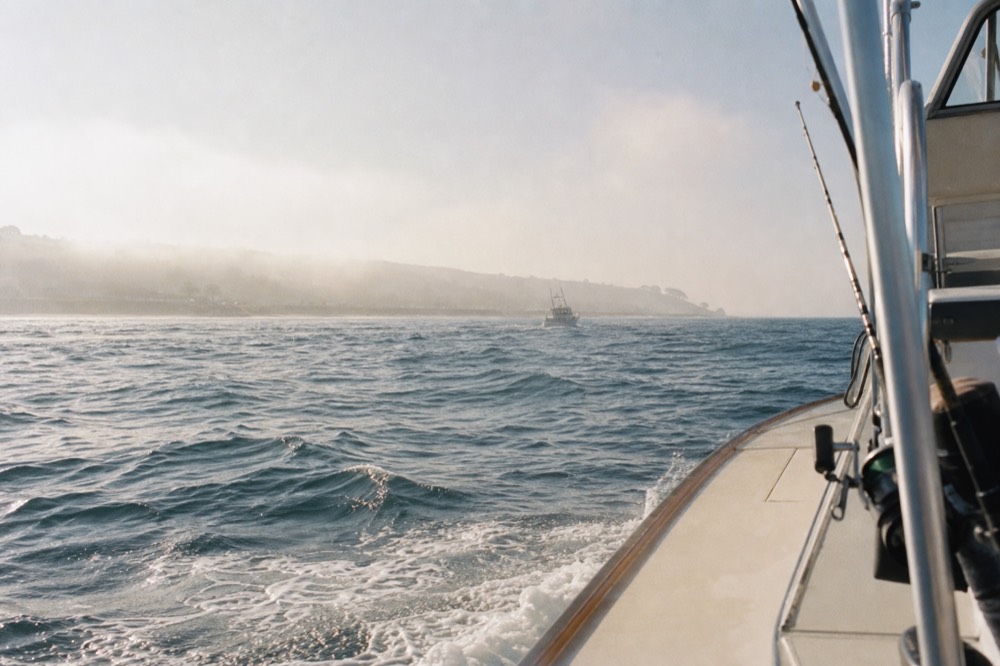
The seasonal effect is enormous and the daily effect is noise. NOAA tracks gray whale migration along the West Coast, with the southbound push peaking from mid-December into February and northbound animals passing through May. Blue whales arrive from mid-May and peak from mid-July to mid-September. Book inside those windows and most of the work is done.
The rest is chance. Dolphins turn up on most trips year round, sea lions are near certain, and whales are the animal nobody can promise at any hour. For the month-by-month picture, whale season month by month lays it out.
One day in August 2026 makes the point better than any argument. On the 16th, the morning boat out of Mission Bay logged a single humpback kelping and roughly 200 short-beaked common dolphins. The mid-day boat, same water, same day, logged around 300 dolphins working through the whole repertoire: hunting, bow riding, chin slaps, cow and calf pairs. The whale landed on the early trip and the bigger pod on the later one. Reverse those two entries and every confident theory about morning departures falls over, which is the honest reason nobody sells you a time slot as an advantage.
What actually changes between a morning and an afternoon departure?
Four things: fog, wind, light and crowding. Mornings on this coast run calmer and are more likely to be grey, especially from late May through mid-June. Afternoons burn off into clearer skies but pick up more wind and chop, which matters if anyone on board is prone to seasickness.
San Diego's marine layer is the variable visitors underestimate. May Gray and June Gloom are real, they are strongest from late May through the first half of June, and they can push into July. That low grey lid does not cancel trips, but it flattens photographs and it takes the temperature down on open water. It usually clears by early afternoon.
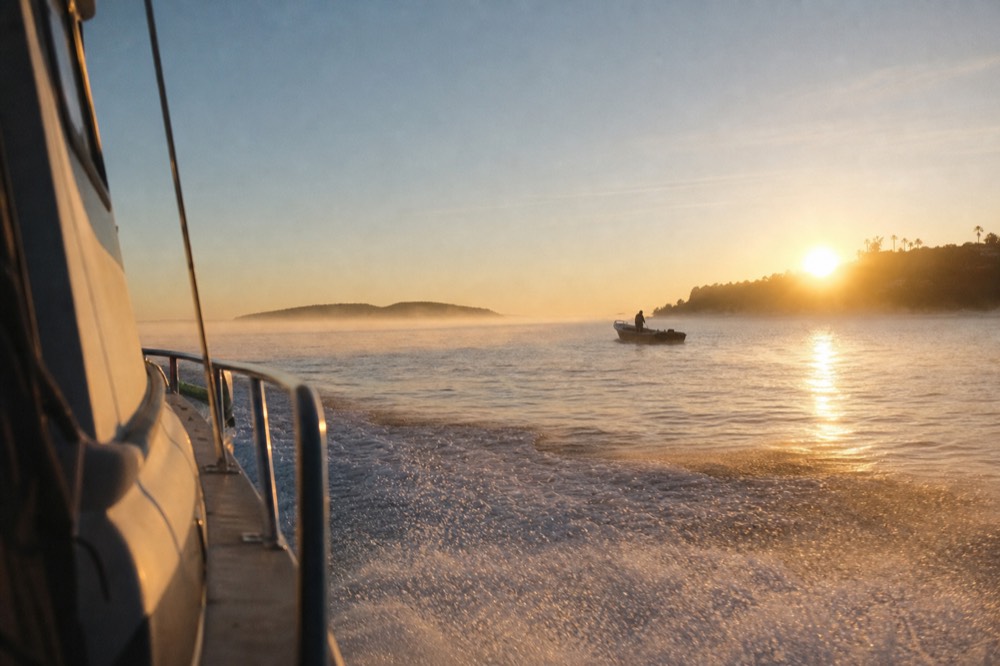
My own rule of thumb, after years of matching visitors to departures: book mornings for water conditions, book afternoons for sky. Anyone worried about motion takes the first sailing of the day. Anyone chasing photographs in June takes the last one.
| Morning departure | Afternoon departure | |
|---|---|---|
| Sea state | Usually the calmer half of the day | Wind and chop tend to build |
| Sky, late May to mid-June | Often overcast with the marine layer | Frequently clear after burn-off |
| Light for photos | Soft, low contrast, easy on backlight | Bright, warmer tone, more haze at distance |
| Seasickness risk | Lower, and you are out before the wind | Higher for sensitive passengers |
| Crowding | Popular slot, books out first in summer | Often easier to get a spot late notice |
| Temperature on deck | Cold, layers are not optional | Warmer, still cooler than on shore |
Whatever slot you take, it is colder and windier out there than it looks from the dock. What to wear on the water covers the layers that actually work on a three-hour run.
Which slot is better in each season?
In winter, take the afternoon, because gray whale season sits alongside the earliest sunsets of the year and the light goes fast. In the June gloom weeks, take the afternoon for clearer sky. In late summer blue whale season, take the morning, before the wind builds on the open water.
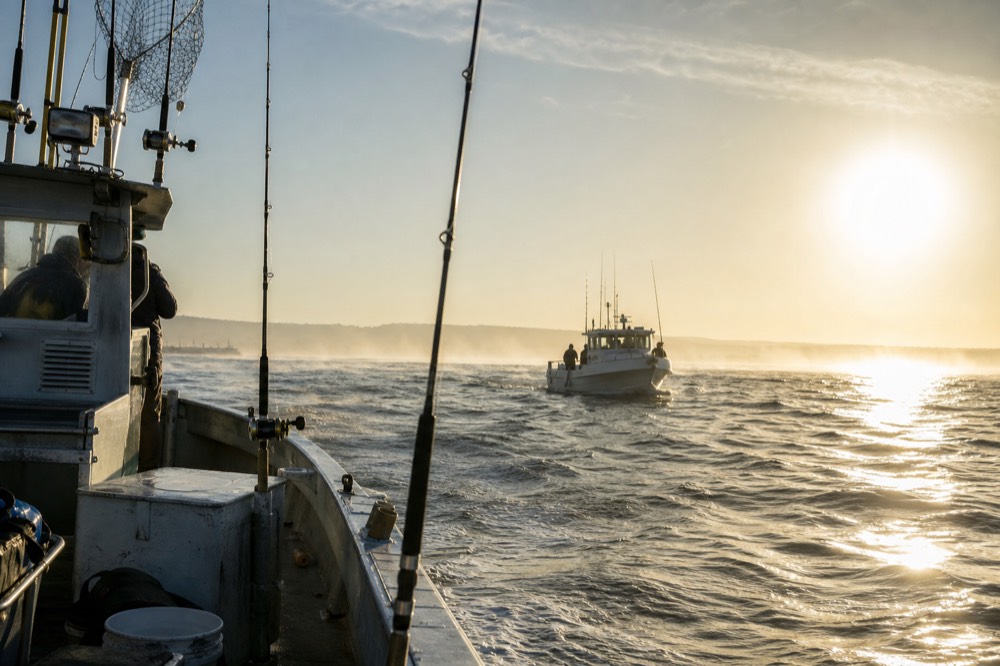
Sunset does more work than people expect here. It falls between about 4:53pm and 5:00pm in January, and around 7:30pm to 7:48pm in August, so a late winter departure can end in fading light while a late summer one still has hours of it. Check the exact time for your date if you are booking near the edge of the day, and see when sunset actually falls for the seasonal swing.
| Season | Main species | Better slot | Why |
|---|---|---|---|
| December to February | Gray whales, southbound peak | Afternoon | Short days, best light in the middle of them |
| March to May | Gray whales, northbound | Either | Settled conditions, long enough days both ways |
| Late May to mid-June | Transition into blue whale season | Afternoon | The marine layer usually clears by then |
| Mid-July to mid-September | Blue whales at peak | Morning | Calmer water before the afternoon breeze |
| October to November | Tail of blue season, dolphins | Morning | Often the clearest air of the year |
Pin the month before you argue about the hour. Whale season month by month tells you which animal you are realistically booking for, and the three boats sit at the foot of that page with live dates and prices one click away.
Does the boat matter more than the hour?
Far more. A smaller vessel with a naturalist aboard changes the trip more than any departure time does, and so does the length of the run. Three hours gets you properly offshore. A shorter sail keeps you closer in, which is a different day out with a different hit rate.
Three distinct products run on this coast. The Point Loma trip aboard a smaller vessel lasts about three and a half hours, holds 4.8 stars across 283 reviews and carries a naturalist, from about $63. The three-hour Mission Bay departure runs 4.5 stars from 335 reviews and heads past the jetty into open Pacific, from about $34. The small-group sailing catamaran carries 5.0 stars from 109 reviews and trades engine noise for wind, which helps when an animal surfaces close by, from about $119.
That spread is the real decision, not the hour on the clock. Free cancellation runs to 24 hours ahead, so holding a date early costs you nothing if the forecast turns. Compare all three on the whale watching boats, since prices move with the day of the week.
Quick answers on timing your trip
Four questions follow this one almost every time: when whales are most active, whether early trips get cancelled less, which slot is kinder to a queasy stomach, and how long a trip needs to be. Short answers below.
What time of day are whales most active in San Diego?
There is no reliable daily pattern to rely on here. Gray and blue whales are travelling or feeding, and both happen around the clock. Season decides your odds far more than the clock does.
Is a morning whale watching trip less likely to be cancelled?
Not automatically. Trips are called off for sea state and wind rather than time of day, though the calmer morning half of the day means marginal conditions sometimes hold longer in the early slot.
Which is better for seasickness, morning or afternoon?
Morning, generally, because wind and chop tend to build through the day. Take motion medication before boarding rather than after, and stay on deck with your eyes on the horizon.
How long should a whale watching trip be?
Three hours or more if you want to get properly offshore. The Point Loma departure runs about three and a half hours, and the extra time is what lets a boat follow up a distant blow instead of watching it disappear.
Pick the season first, the boat second and the hour last. If you want the shortest possible version: mornings for calm water, afternoons for clear sky, and December through April or mid-May through September for whales at all. If you want to see how the whale boats stack up against everything else afloat here, compare every cruise on the bay before you commit to a date.
Which boat, at which hour?
The general pick is the Point Loma run: about three and a half hours with a naturalist, 4.8 from 283 reviews, the trip where the clock matters least. Compare the alternatives, then check live times for your date.
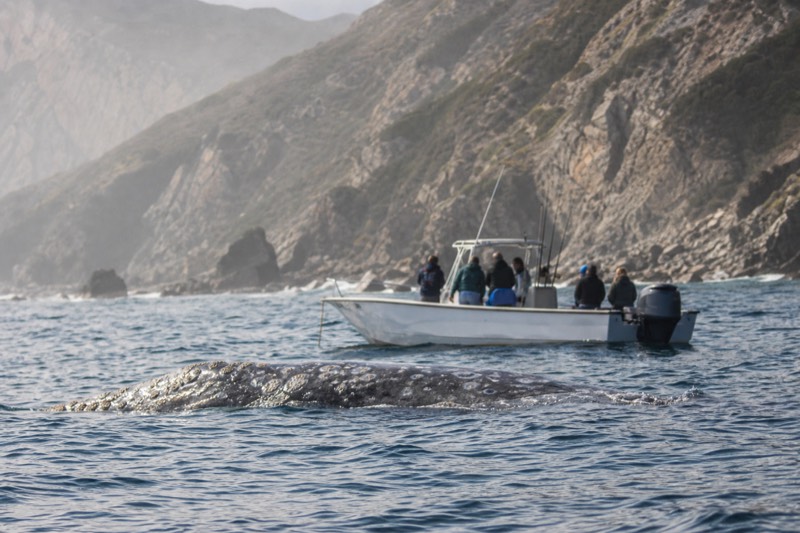
Wild Pacific Whale & Dolphin Watch
★ 4.8 · 283 verified reviews
Have a travel date in mind? Check the departure times and live price for the boat you want before you lock in the rest of that day.
3 hours 30 minutes · Departs 2803 Emerson St, San Diego, CA 92106, USA · Free cancellation up to 24 hours
Compare the alternatives
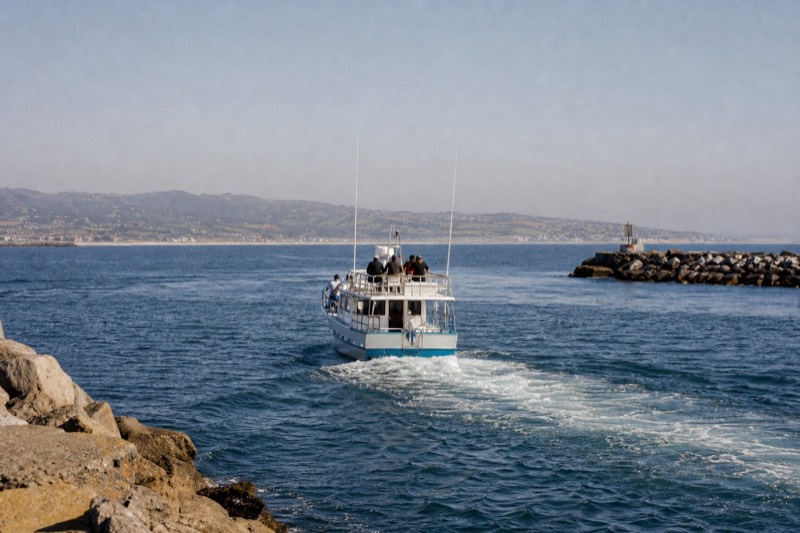
3-Hour Whale Watching Cruise →
★ 4.5 · 335 verified reviews
3 hours · Departs 1717 Quivira Rd, San Diego, CA 92109, USA
Three full hours past Mission Bay's jetty into open Pacific, long enough to reach the whales instead of glancing at them. Departs Quivira Basin.
Check Dates →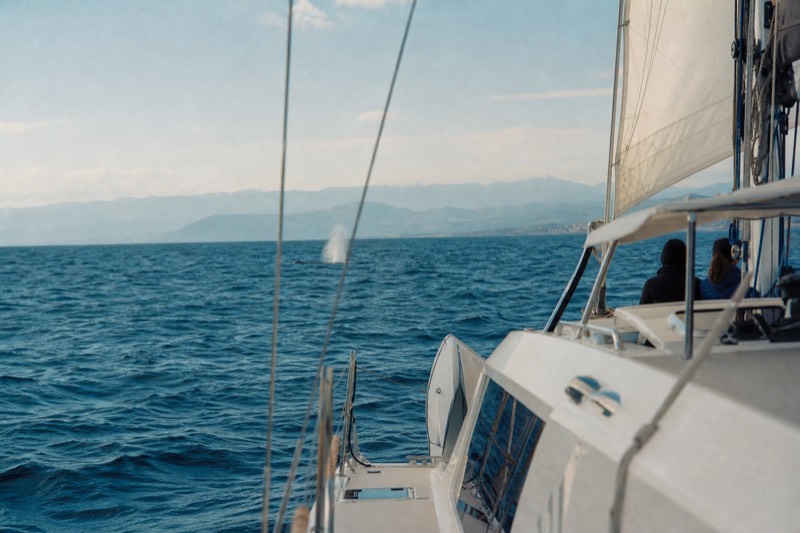
Whale Watching by Sailing Catamaran →
★ 5 · 109 verified reviews
2 hours 30 minutes · Departs 955 Harbor Island Dr, San Diego, CA 92101, USA
Whale watching under sail: a small-group catamaran out of Harbor Island that trades engine noise for wind, which matters when a whale surfaces close by.
Check Dates →