What Is the Best Month for Whale Watching in San Diego?
February for gray whales, August for blues. The best month for whale watching in San Diego, why those two win, and the two months to avoid entirely.
 By David Ramirez, San Diego Bay cruise specialist & harbor experience guide
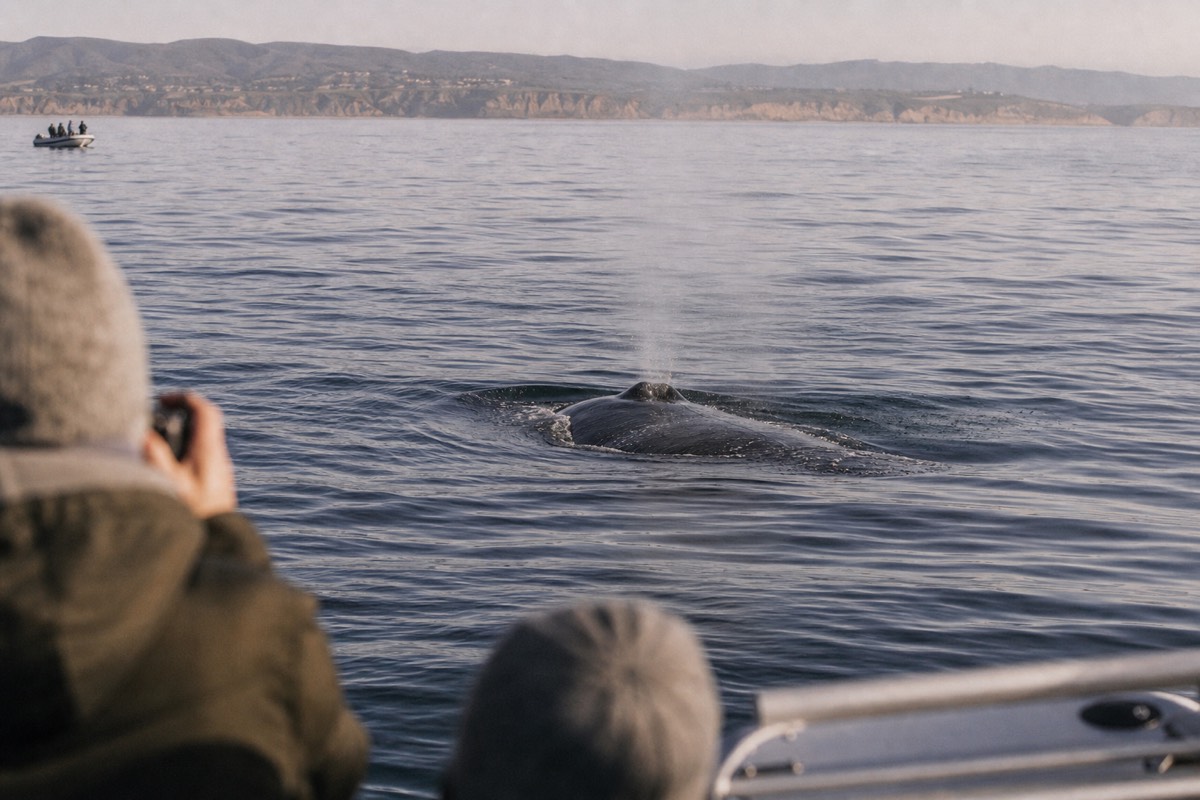
February, if you want it in one word. That is the month I steer people toward whenever their dates are flexible and grays are what they picture, and it is not a close call. The complication is that San Diego runs two whale seasons rather than one, so the honest answer changes completely depending on whether you are visiting in a jacket or in shorts.
Which month gives you the best odds?
February for gray whales and August for blue whales. February sits at the tail of the southbound gray migration while the first northbound animals are already passing, so two streams of traffic overlap. August sits in the middle of the blue whale window, which runs mid-May to September and peaks from mid-July to mid-September.
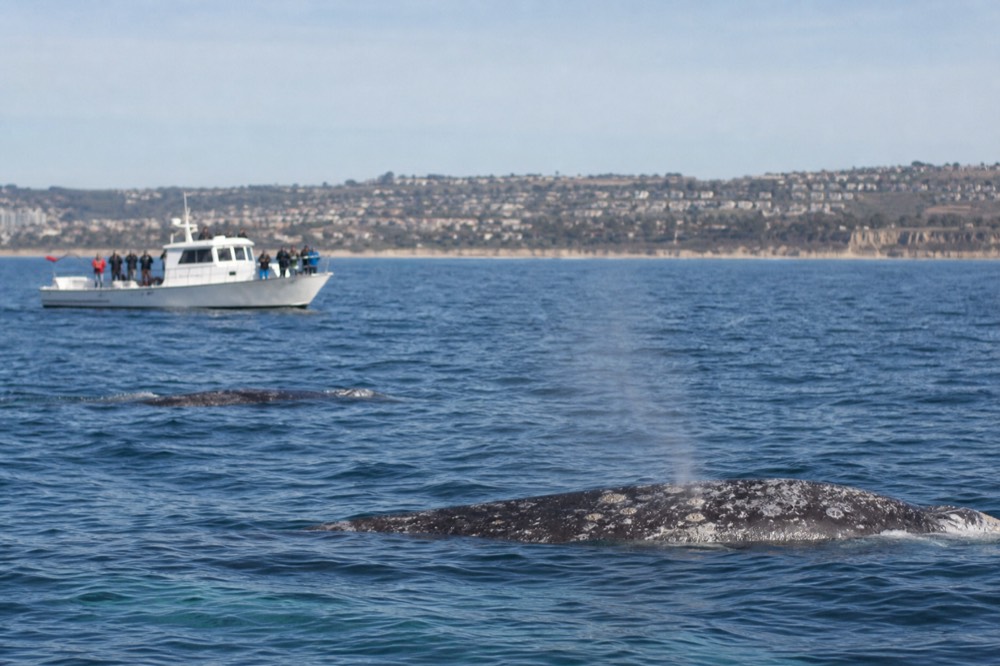
Gray whales are migrating past the city, not living here. They run the California coast between Arctic feeding grounds and the calving lagoons of Baja California, southbound from December and northbound from roughly February into May. NOAA's gray whale profile sets out that timing, and every San Diego operator schedules around it.
Blue whales do the opposite. They gather offshore through summer to feed, so the summer season is about fewer, far larger animals in deeper water rather than a steady procession close to the coast. NOAA's blue whale page covers the species itself.
| If you are booking for | Month to pick | Species | The catch |
|---|---|---|---|
| The best odds of the year | February | Gray whale | The busiest weeks on the water, so book earlier |
| A winter trip with light to spare | March | Gray whale | The northbound run thins through late March |
| The largest animal on the list | August | Blue whale | Sightings tend to be further offshore |
| A Christmas or New Year trip | Late December | Gray whale | The southbound run only builds from about mid-month |
| Summer, but not August | July or early September | Blue whale | July mornings can still sit under the marine layer |
| Anything in autumn | Neither, book a bay cruise | Dolphins only | Covered below |
Whichever row is yours, the booking part is short. The whale watching boats page puts the three San Diego trips side by side, from $34 for the three-hour Mission Bay run up to $119 for the small-group sail, and each listing shows what is actually open on your date.
Why is February the strongest gray whale month?
Because two directions of migration overlap in it. The southbound push that peaks from mid-December is still running, and the earliest northbound animals are already coming back through. That doubling is what separates February from January, which is deep in the peak but carries traffic in only one direction.
There is a second, duller reason: daylight. A January afternoon in San Diego ends near five o'clock, which squeezes any trip that leaves after lunch. By February the afternoons have stretched enough that a midday departure is no longer racing the light home. March keeps that advantage and adds the cow and calf pairs that travel later in the northbound run, which is why it lands third on my list rather than fifth.
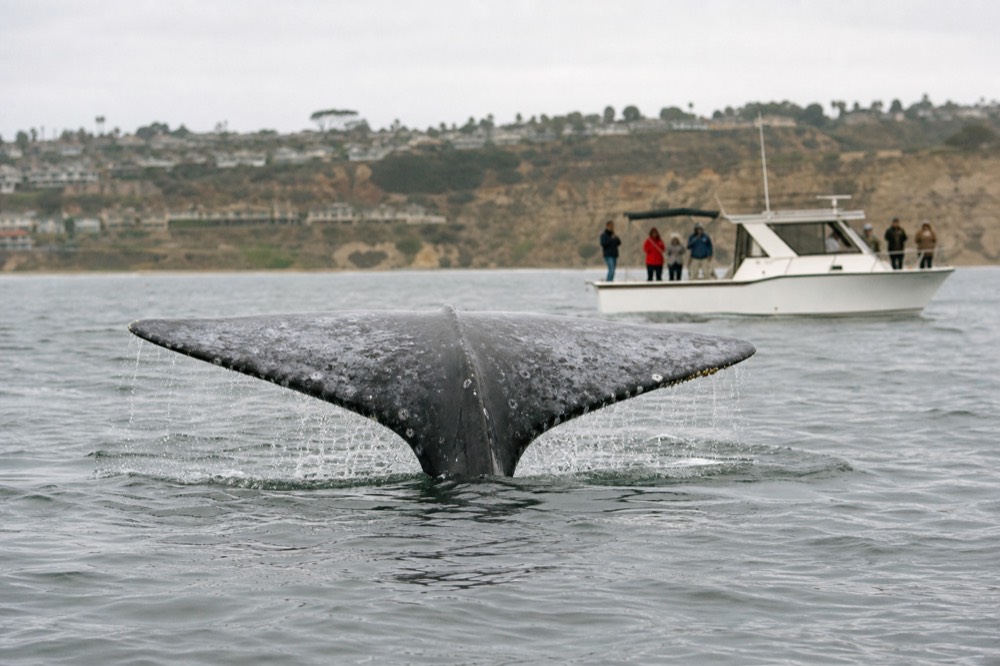
If your dates are already fixed and you want to know exactly what your month delivers, whale season month by month has the full scorecard, including sea conditions and what the marine layer does from late May onward.
When does the blue whale window open, and how is it different?
Blue whales appear off San Diego from about mid-May and stay through September, occasionally into October, with the strongest weeks from mid-July to mid-September. The trips feel different from winter: warmer decks, longer evenings, and a search that ranges further offshore for a smaller number of much bigger animals.
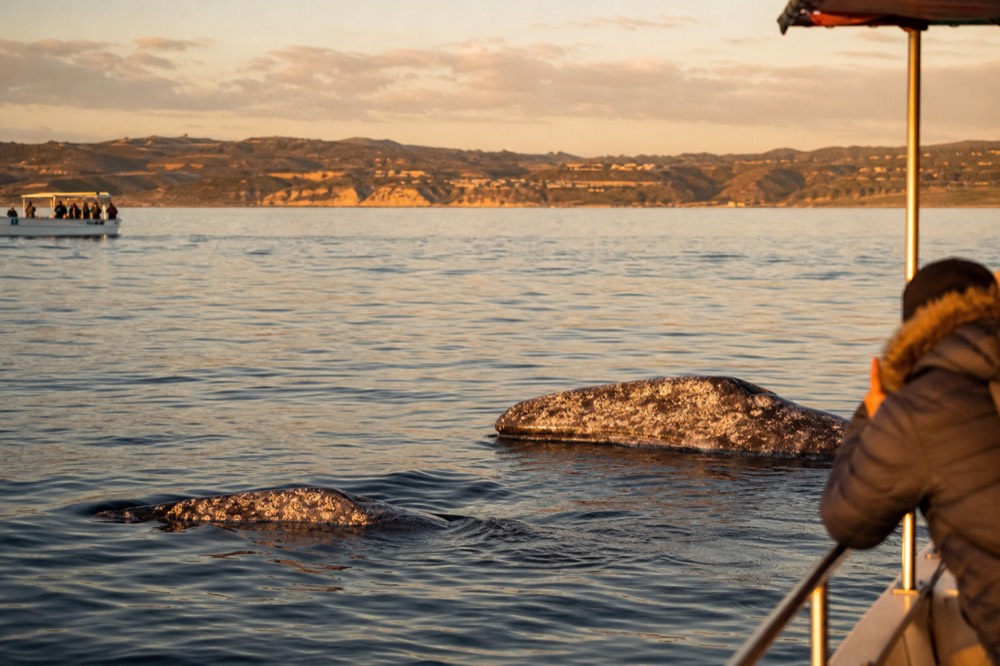
Summer visitors often assume they have drawn the short straw because gray whales get all the coverage. They have not. A blue whale surfacing near a boat is the single most impressive thing that happens on the water here, and August delivers it inside a season with sunset running as late as about 7:30 to 7:48pm, which opens up departure slots that simply do not exist in January. It is not a theoretical prize either: a surface-feeding blue whale was filmed off San Diego on August 18, 2026, footage described as rare.
The trade-off is distance. Blue whales feed where the krill concentrates, and that is not always close in, so summer favours the boats with the longest listed running time. The three and a half hour Point Loma trip is the one built for that, and at around $63 it sits in the middle of the three on price while carrying the most search time: read whale cruises compared for the full lineup. If you would rather do the summer version under sail, Which whale watching tour is best in San Diego? compares the catamaran against the two motor boats.
Which months should you skip?
October and November. The blue whales have largely moved on after September and the gray migration does not reach San Diego in numbers until about mid-December, so the headline animal is missing from both. Trips still run and dolphins are still reliable, but you are booking a wildlife cruise, not a whale encounter.
I would rather say that plainly than watch someone spend $63 searching for animals that have already moved on. In those two months the better use of the money is the narrated harbor loop past the Midway and the Star of India, which starts at $37, or one of the golden-hour boats, from $42 for the Mission Bay run up to $125 for a classic sail. Both are at their best in clear autumn air, both show live prices for the evening you want, and the whales will still be here in February.
May sits in a different kind of grey zone: late grays early in the month, first blues from mid-month, and the marine layer at its thickest in the final weeks. It is not a bad month, it is just an unpredictable one. Whether that matters depends on how much of the ticket price you are attaching to the whale itself, which is the question Is whale watching in San Diego worth it? takes apart.
Is December good for whale watching in San Diego?
The second half is. The southbound gray migration builds from about mid-December, so a trip in the week between Christmas and New Year is well placed, while the first week of the month is early. Afternoons are the shortest of the year, so take a morning departure.
Can you see whales in San Diego in summer?
Yes, but different ones. Summer is blue whale season, running mid-May through September with the peak from mid-July to mid-September. Gray whales are gone by then. Dolphins and sea lions are around all year.
How many whales will I actually see?
Nobody can tell you that in advance, and none of the three boats we list pretends otherwise. Inside the peak windows the odds are at their best, but sightings depend on sea state and luck on the day. All three of the whale boats we list carry free cancellation up to 24 hours out, which is the practical hedge against a bad forecast.
Which boat does your month call for?
The general pick is the longest search: three and a half hours from Point Loma with a naturalist, the boat built for the deep-water blue season and the winter grid alike. Compare the alternatives, then check live prices for your date.
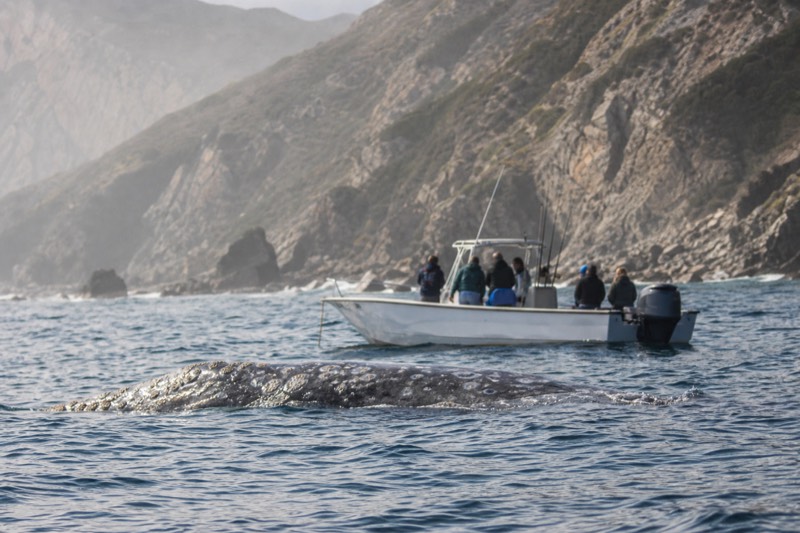
Wild Pacific Whale & Dolphin Watch
★ 4.8 · 283 verified reviews
Have a travel date in mind? Check the live price and departure time for your month's boat before arranging the drive to the dock.
3 hours 30 minutes · Departs 2803 Emerson St, San Diego, CA 92106, USA · Free cancellation up to 24 hours
Compare the alternatives
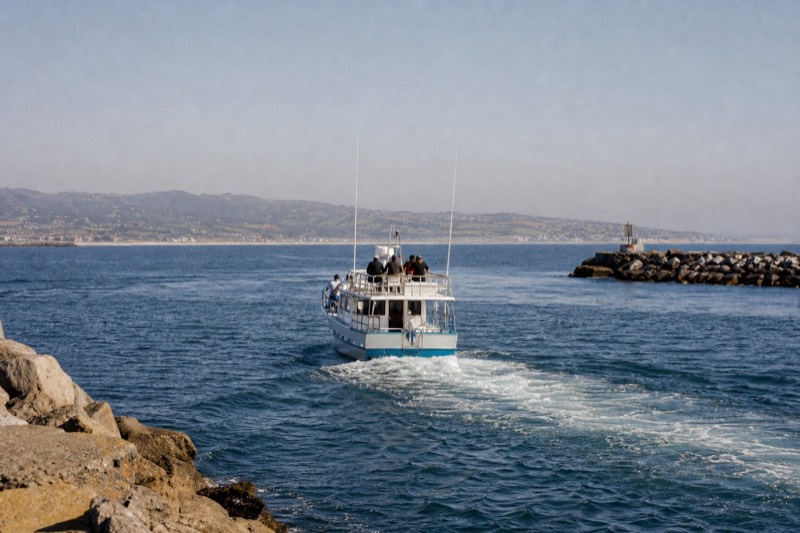
3-Hour Whale Watching Cruise →
★ 4.5 · 335 verified reviews
3 hours · Departs 1717 Quivira Rd, San Diego, CA 92109, USA
Three full hours past Mission Bay's jetty into open Pacific, long enough to reach the whales instead of glancing at them. Departs Quivira Basin.
Check Dates →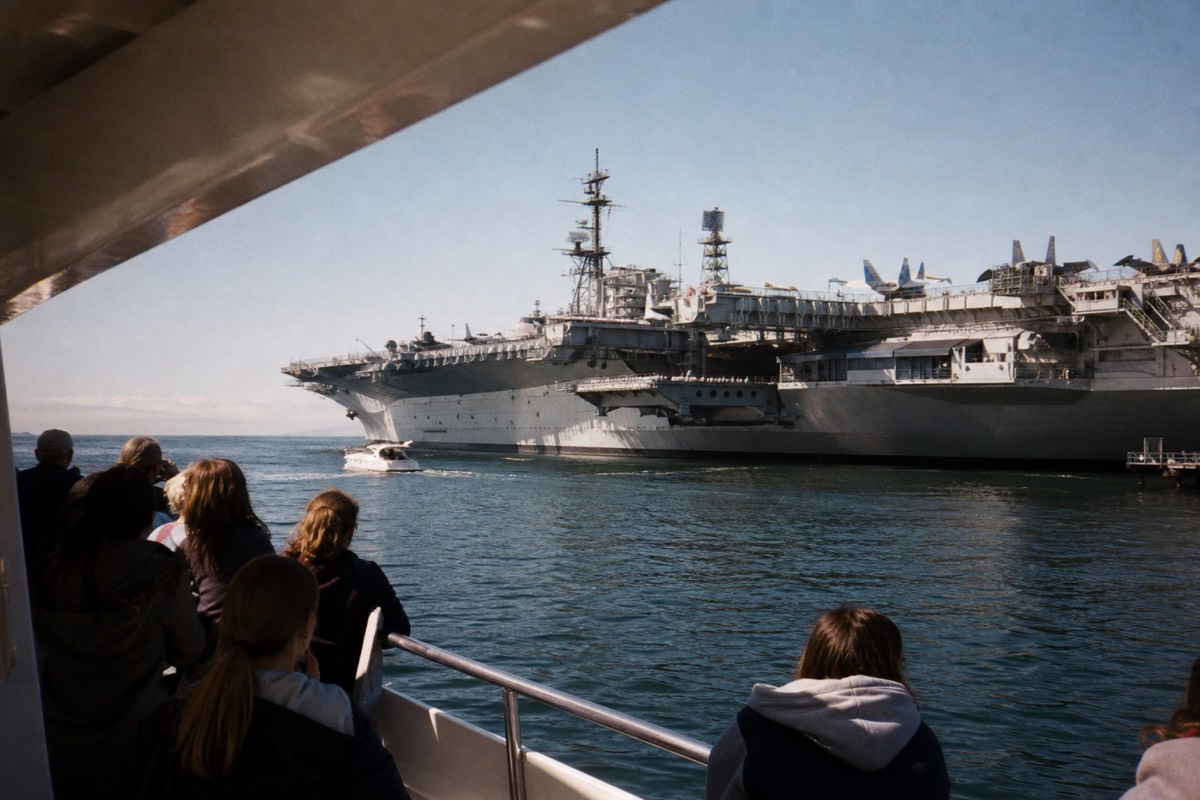
★ 4.5 · 3,262 verified reviews
2 hours · Departs 990 N Harbor Dr, San Diego, CA 92101, USA
The classic narrated loop of San Diego Bay: the USS Midway, the Star of India, the Coronado Bridge and the working Navy fleet, from the deck of a City Cruises boat off Broadway Pier.
Check Dates →